Technical Specifications
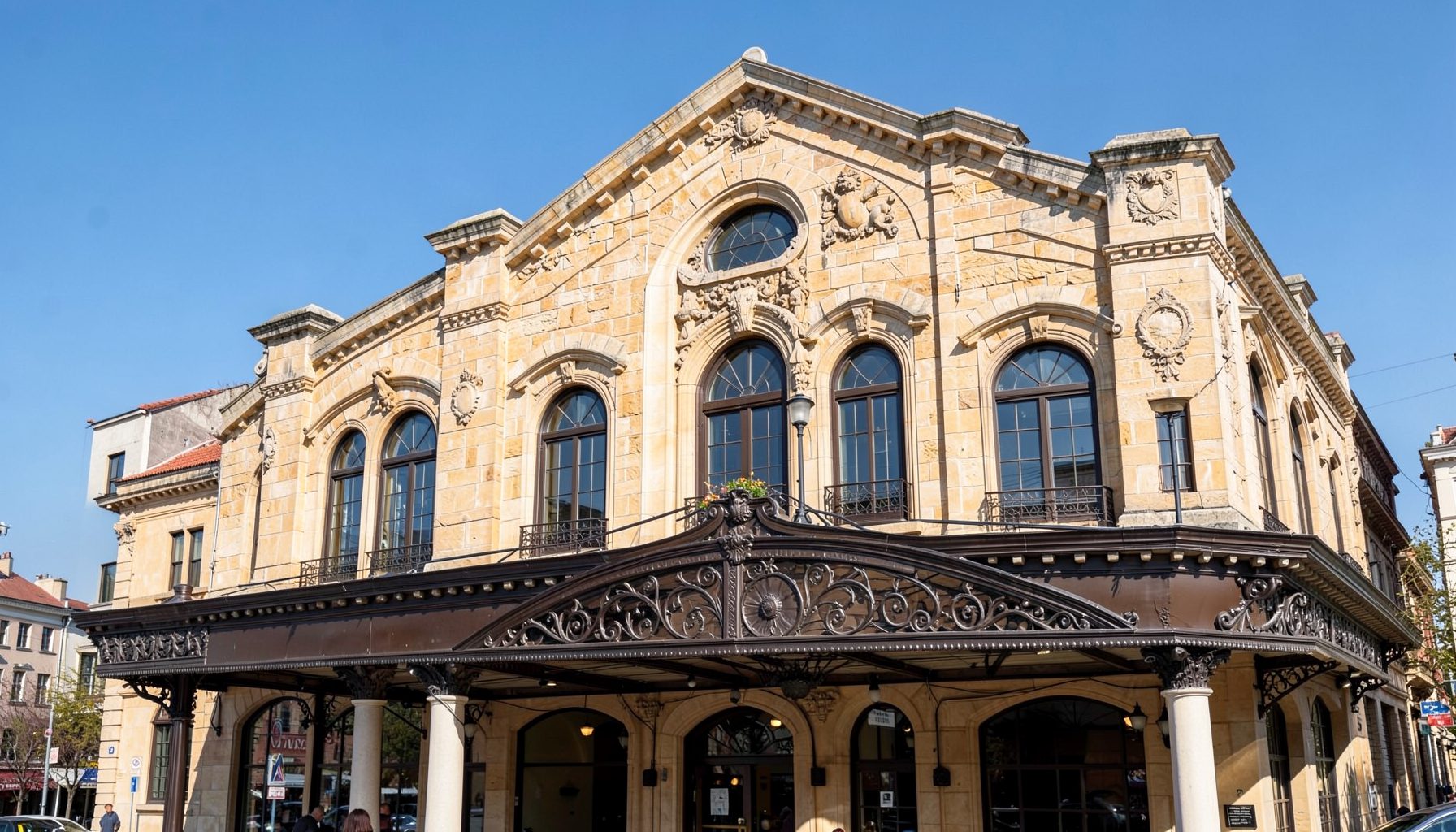
Event organisers and production teams can consult the Fitxa Tècnica for detailed technical information about both venues, including stage dimensions, lighting rigs, sound systems, backstage facilities, and loading access.
| Feature |
Teatre El Jardí |
Sala La Cate |
| Type |
Traditional proscenium theatre |
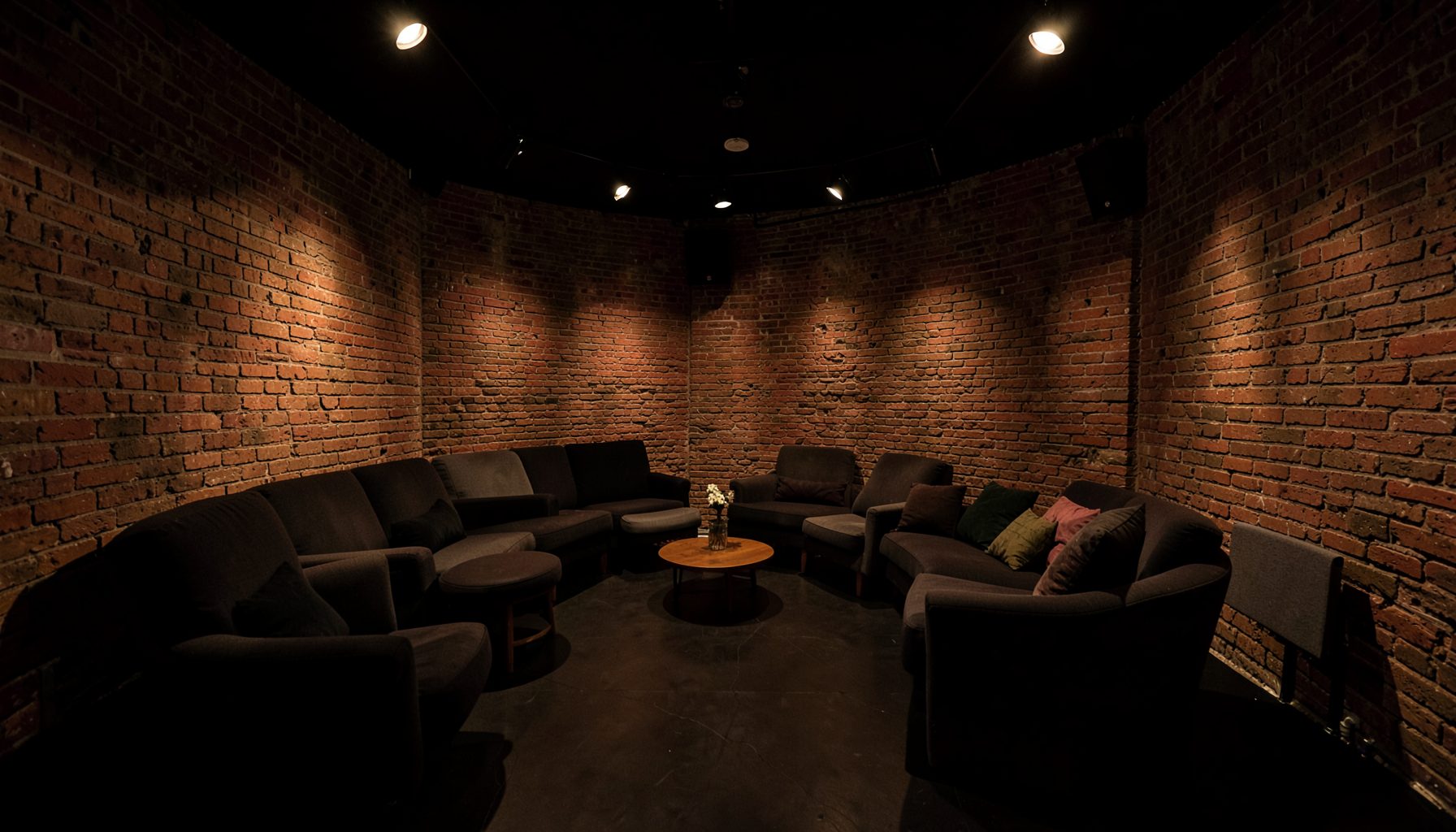
Flexible black-box space |
| Seating |
Fixed raked auditorium |
Adaptable layout |
| Stage |
Full-depth main stage with fly tower |
Flat-floor performance area |
| Lighting |
Comprehensive rig with dimmer racks |
Track-lighting system |
| Sound |
House PA and monitor system |
Portable PA configuration |
| Backstage |
Dressing rooms, green room, workshop |
Limited backstage facilities |
For the complete Fitxa Tècnica or to discuss specific production requirements, please get in touch with the Figueres a Escena team.
Sala La Cate offers a more intimate and flexible alternative to the main theatre, providing a versatile space that adapts to a wide range of performances. Its smaller scale makes it particularly well suited to experimental theatre, emerging artists, and more personal productions where proximity between performer and audience is part of the experience. The space also accommodates workshops, residencies, and community-led events that enrich the local cultural calendar. Despite its compact footprint, Sala La Cate is fully equipped with professional lighting and sound infrastructure, ensuring that every production presented there meets the technical standards audiences have come to expect from Figueres a Escena.
Both venues share a commitment to accessibility and audience comfort, with careful attention paid to sightlines, acoustics, and the overall experience of attending a live performance. The programming across the two spaces is deliberately complementary, allowing the organisation to balance large-scale spectacles with more adventurous, intimate works. This dual-venue model gives Figueres a Escena the flexibility to host simultaneous events, extend festival programming, and respond to the diverse tastes of its audiences. Whether a visitor is attending a sold-out opera or discovering a new voice in contemporary dance, the venues are designed to support the full arc of live performance from first rehearsal to final bow.
The technical capabilities of both spaces are continuously reviewed and updated to keep pace with the demands of modern productions. Touring companies can expect reliable infrastructure, while local creators benefit from a professional environment in which to develop and premiere new work. The venues also play host to a range of ancillary activities, including pre-show talks, post-performance discussions, and educational outreach sessions that extend the cultural conversation beyond the stage itself. This holistic approach to venue management ensures that Figueres a Escena is not merely a presenter of shows but an active participant in the broader performing arts ecosystem of the region.
Seating capacity and staging flexibility differ meaningfully between the two venues, and this distinction shapes the kind of work each space attracts. The larger theatre accommodates full orchestras, elaborate scenic designs, and the technical crews required for major touring productions. The smaller hall, by contrast, encourages a pared-back aesthetic where the focus falls on text, movement, and the direct connection between artist and spectator. This variety means that audiences can experience radically different forms of performance within the same cultural institution, from grand operatic evenings to stripped-back monologues, all within a short walk of one another.
For artists and companies considering Figueres a Escena, the two venues together represent a genuine range of creative possibilities. The organisation welcomes proposals across all disciplines, from classical repertoire to contemporary experimentation, and works closely with producers to match each project with the space that best serves its ambitions. Beyond the performance itself, the venues benefit from their central location, making them easily accessible by foot, bicycle, and public transport for both local residents and visitors to the city. This combination of professional facilities, flexible programming, and a welcoming atmosphere makes the venues a cornerstone of cultural life in the area.